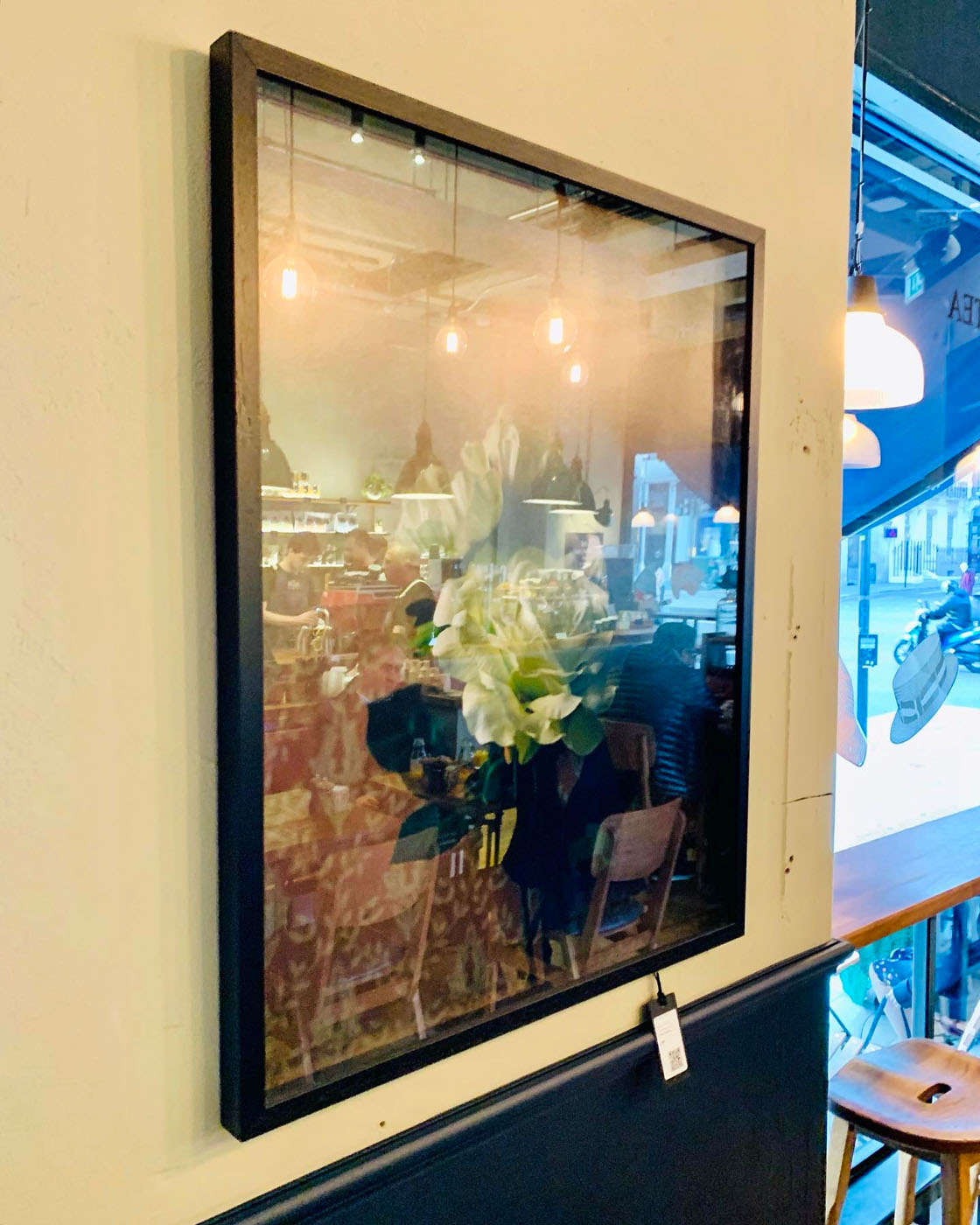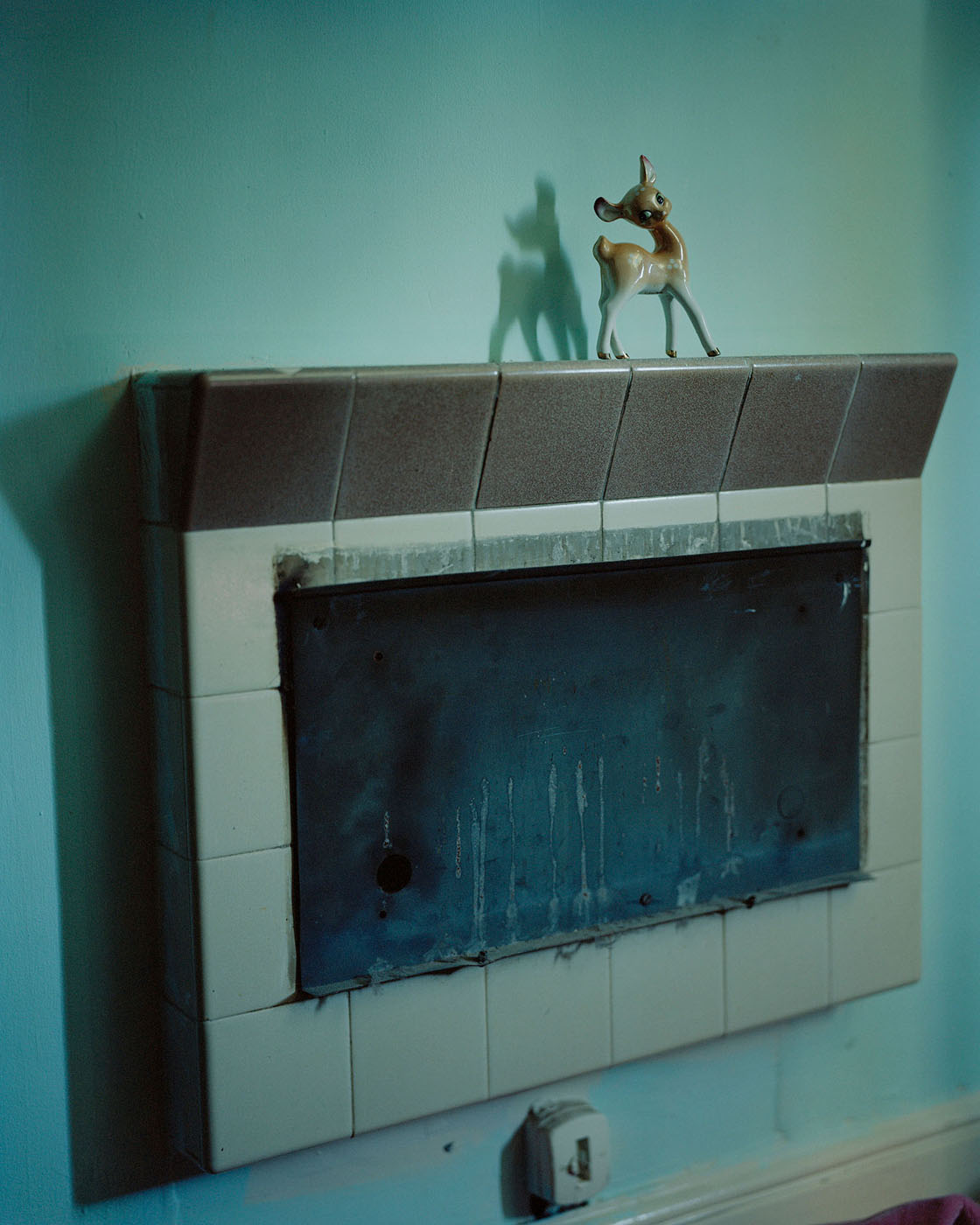
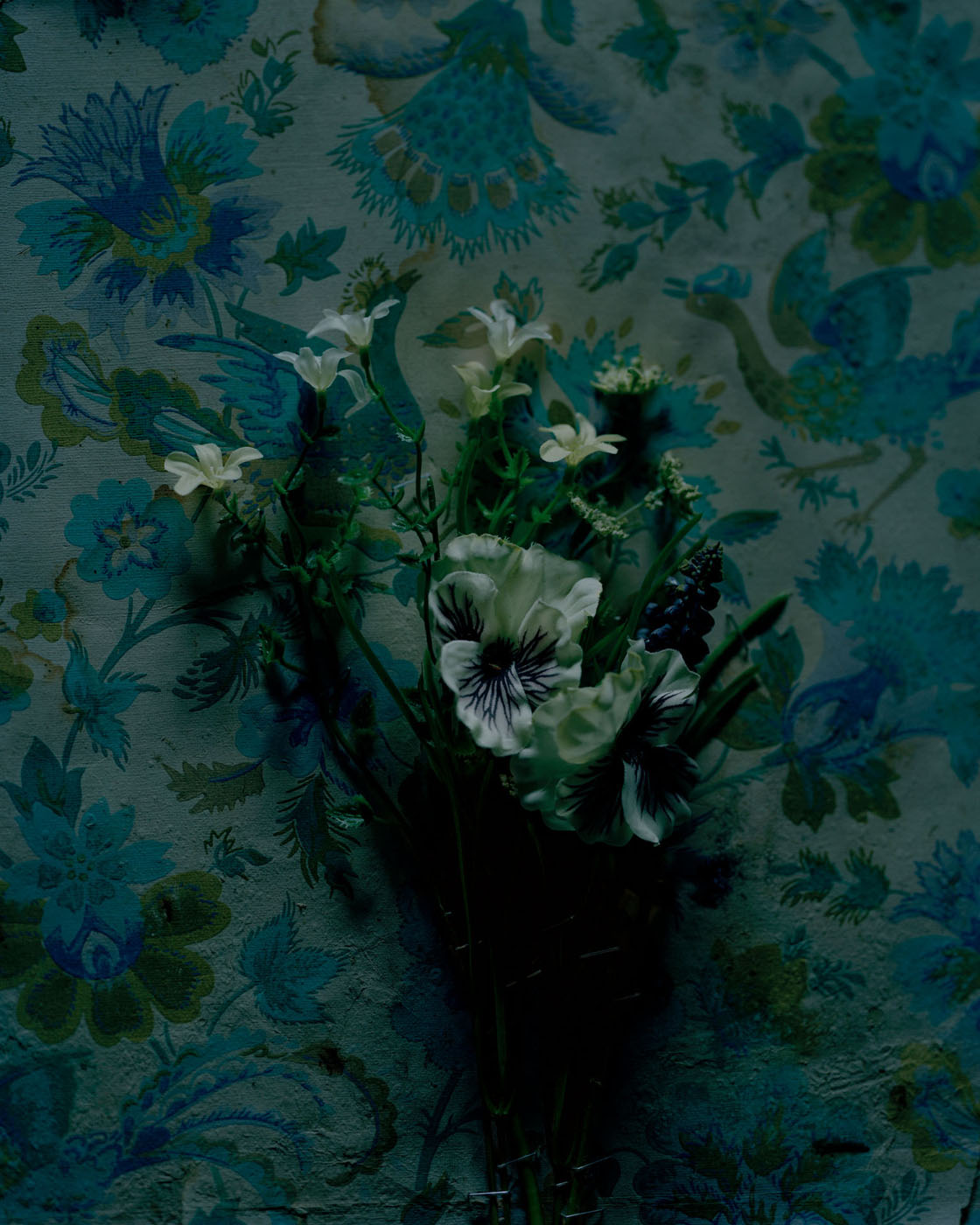
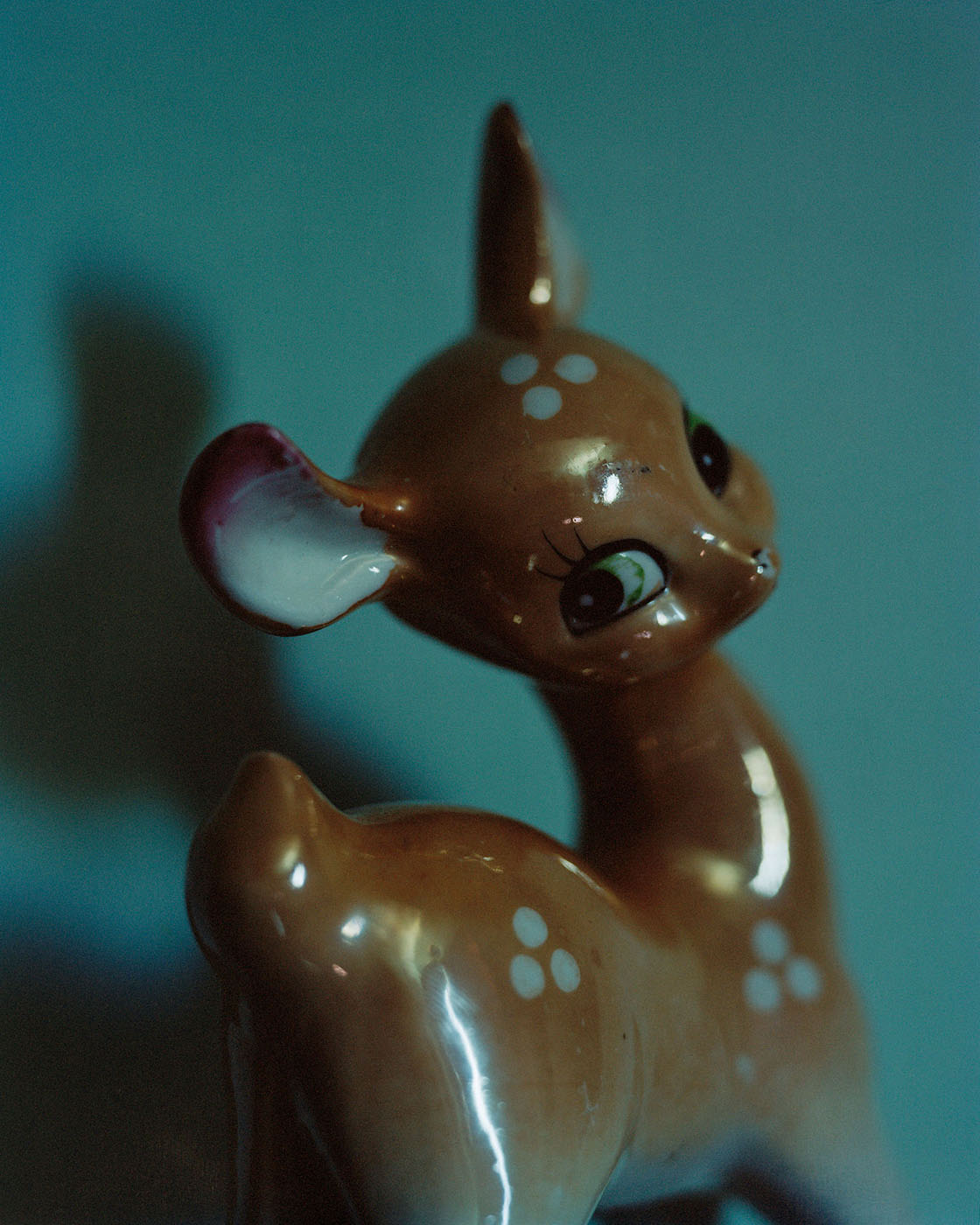
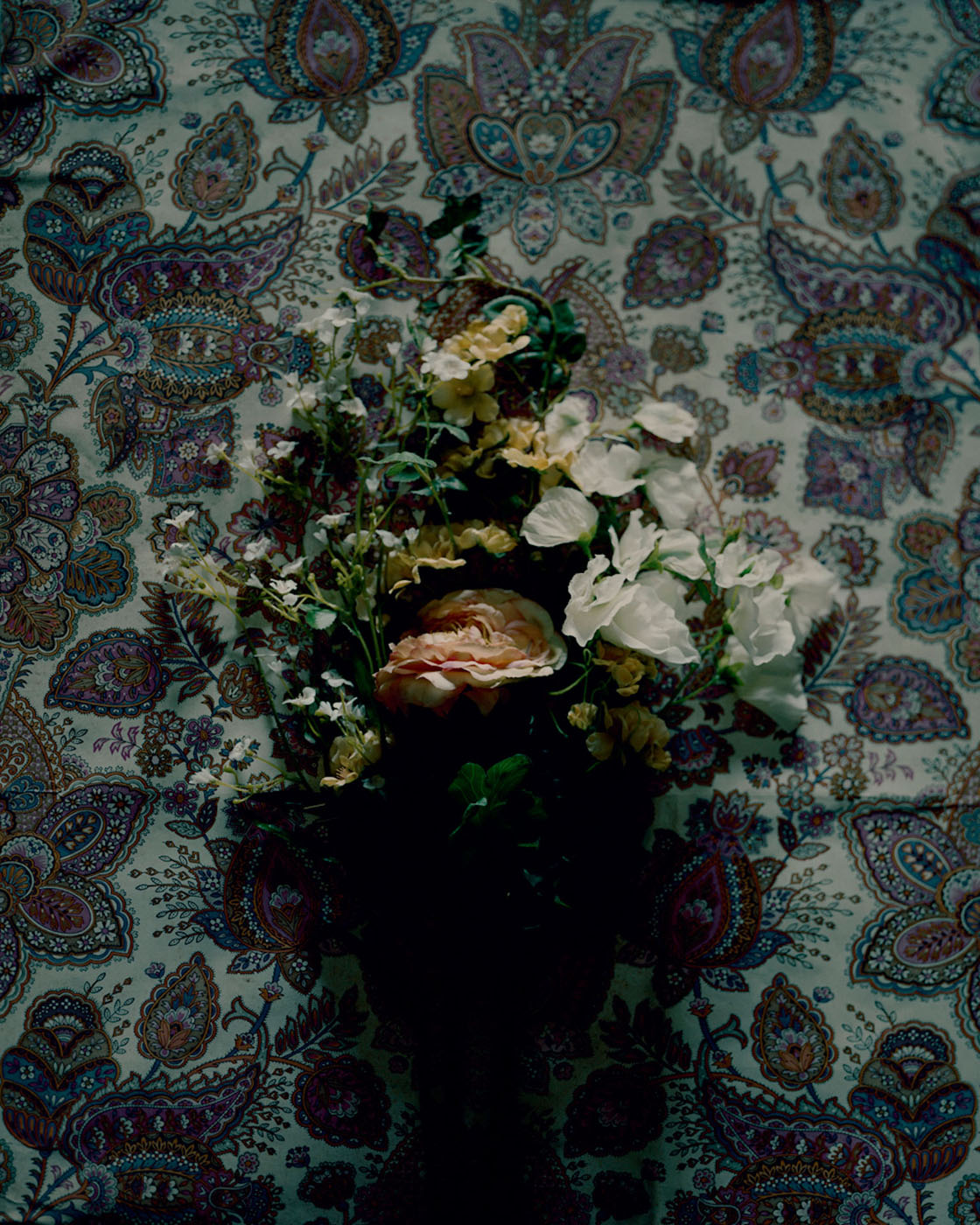
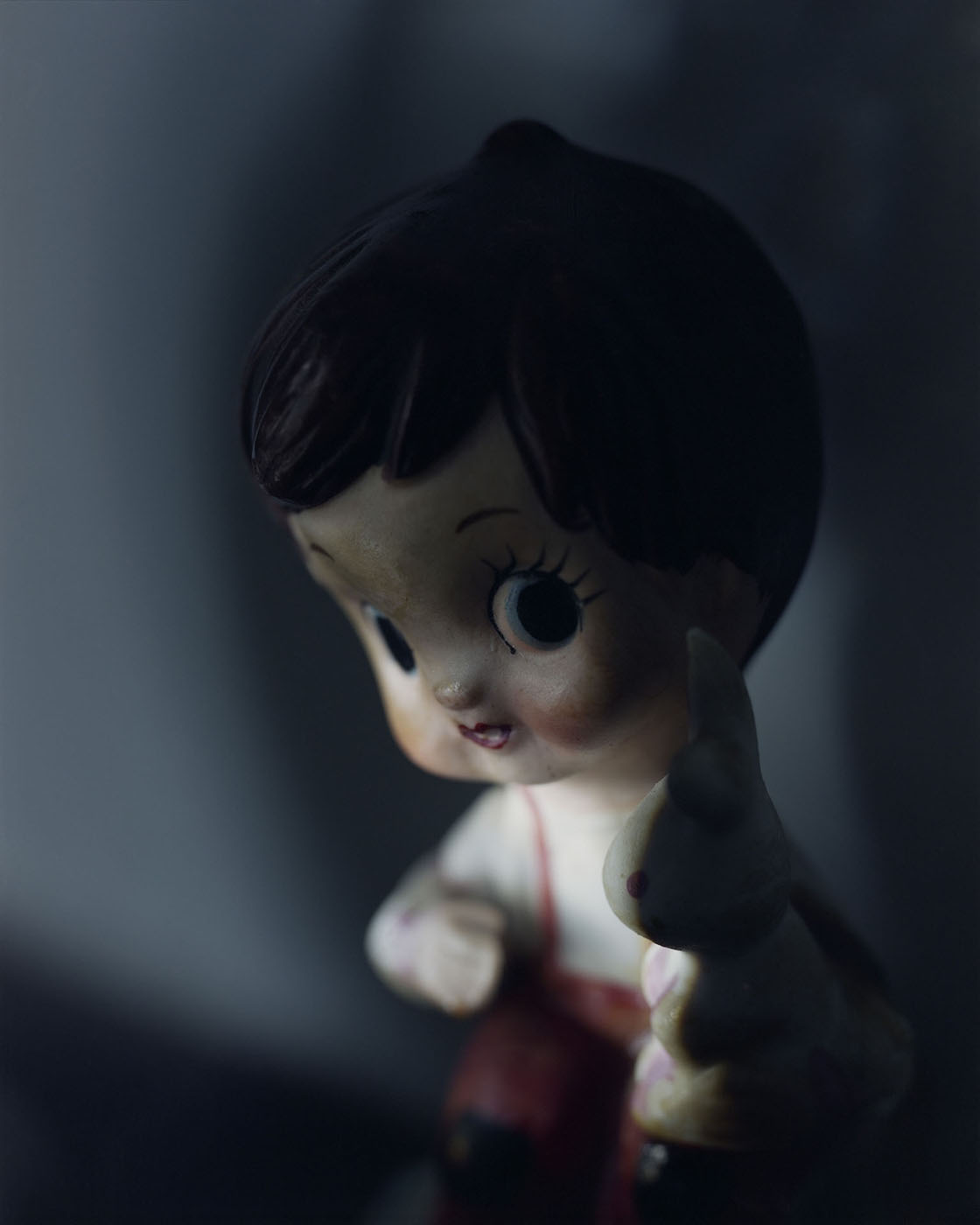
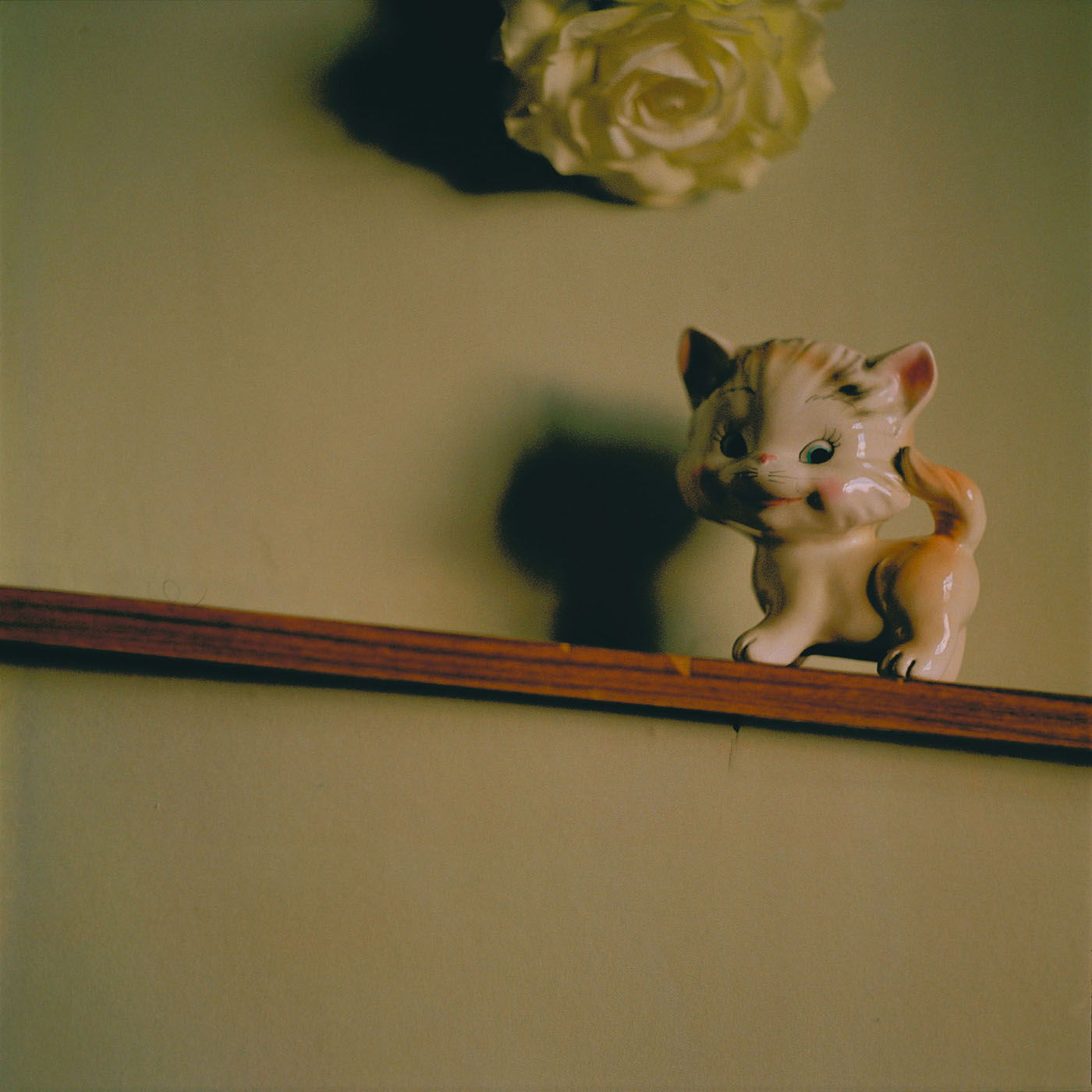
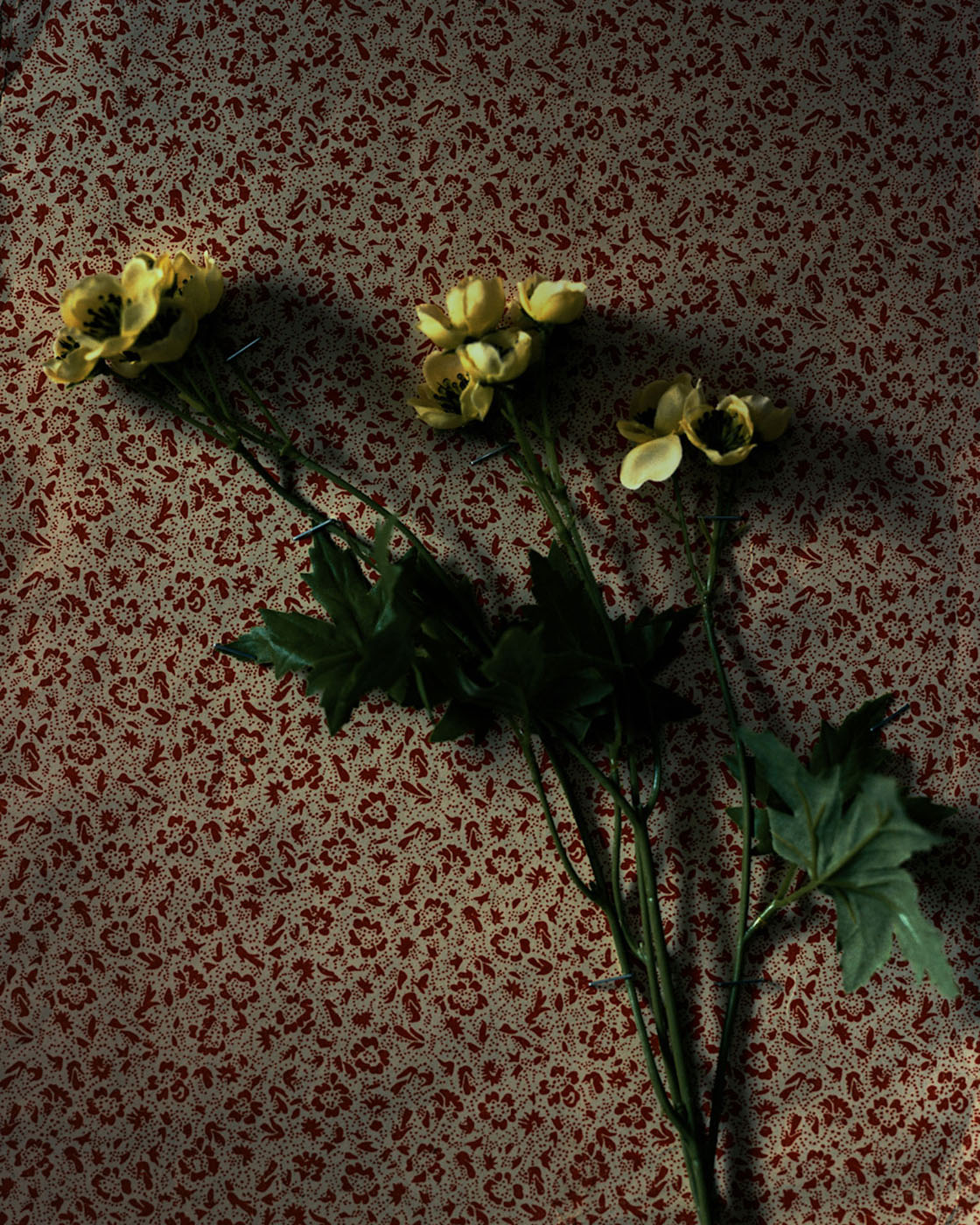
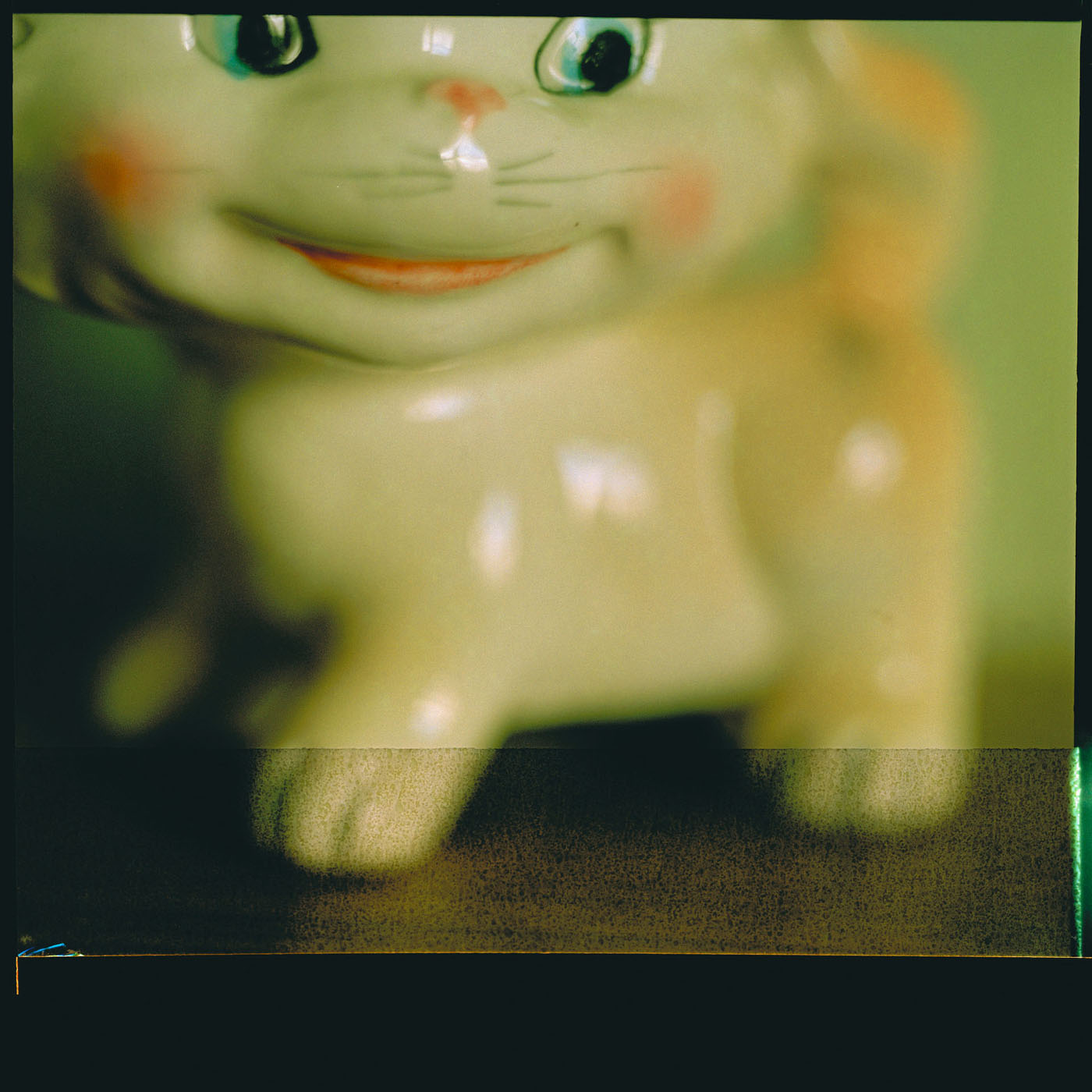
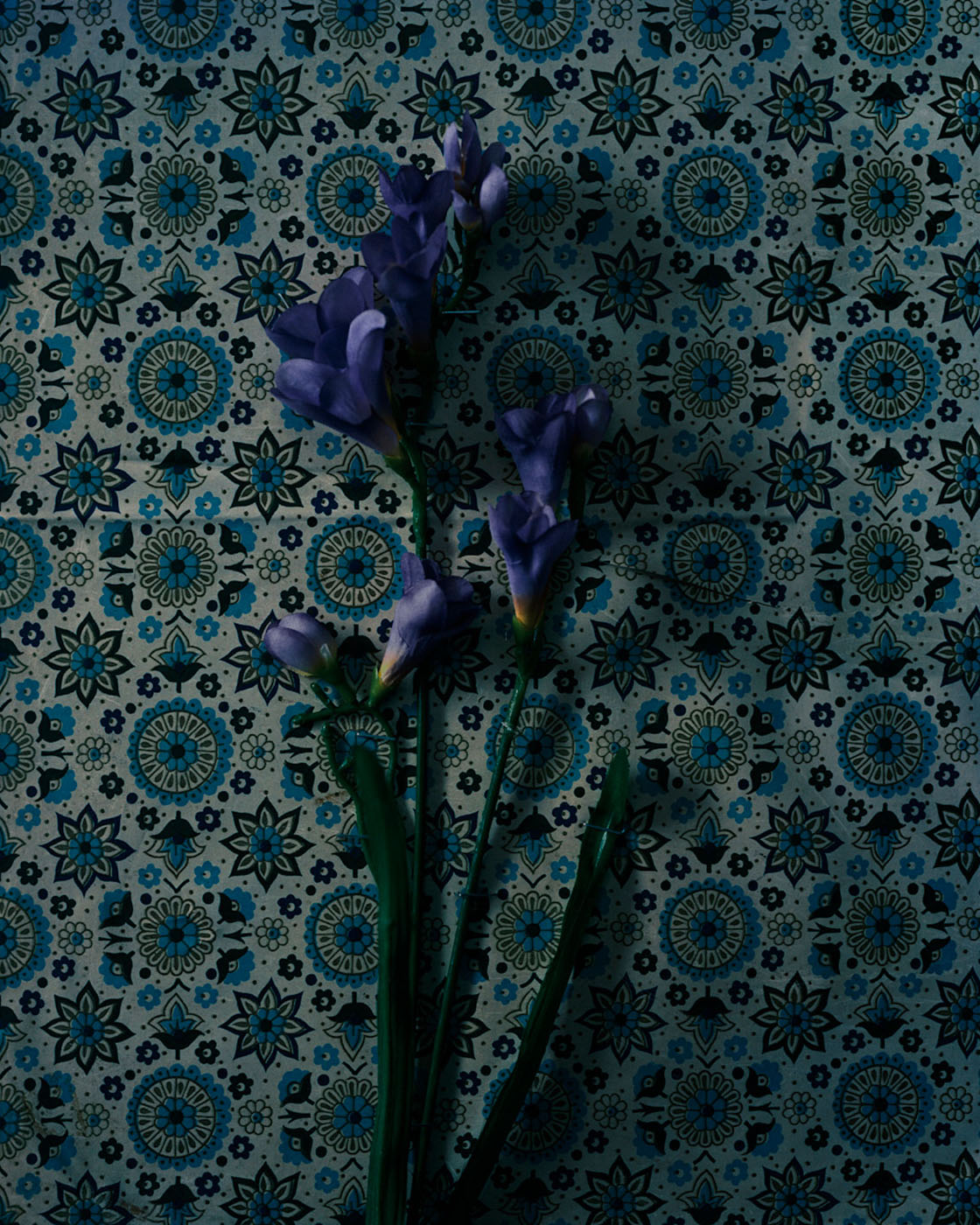
All objects have an intrinsic monetary worth, one that is variable but ultimately defined by its imagined “Market Value”. This value acts objectively against the changing tastes and cultures surrounding it, something once “worthless” can become sought after but often something that was once popular becomes forgotten; a relic of its generation. Inspired by my grandmother’s décor, the focus of this series is small, inexpensive, porcelain figurines depicting animals in a non-realistic manor and artificial flowers. This kitsch ephemera was especially popular in the 1950’s - 60’s; a period of cheap mass production and shifting cultural attitudes. In Britain the 1960’s marked a shift into youth culture; vibrancy and fun had overtaken the culturally conservative time that had preceded it. The 1950’s were a time of rationing with a focus on necessity and function and this shift in circumstances allowed for superfluous, decorative objects to become popular.
These collectibles soon spawned cheaper and cheaper imitations, the cute soon became grotesque and uncanny, shifting the sentimental into the realms of the saccharine. These highly artificial schmaltzy decorative objects seem to serve no purpose within todays culture except as leeringly ironic, self-knowing decoration. These objects seem to contain no trace of the animals at their origin, they have somehow strained out any element of realistic representation and produced garish, glossy caricatures. The figurines aim to create happiness, small bursts of sentimental sweetness that lack any deeper motivation.
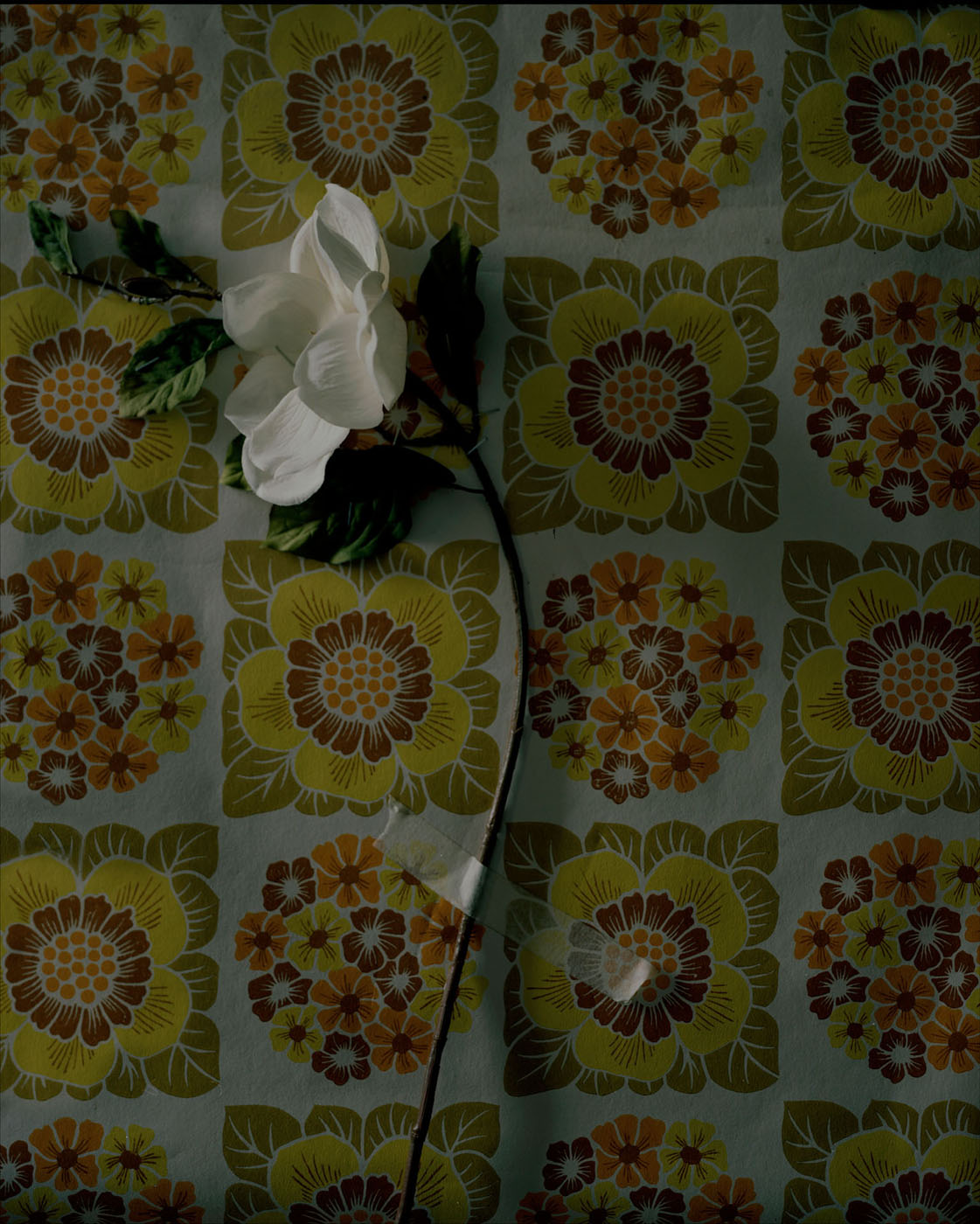
Since the inception of wallpaper in the 16th century, floral motifs have been one of the longest standing themes in production. With the rise in industrial processes and mass manufacturing wallpaper became cheaper and more accessible to everyone except the poorest.
Cheap artificial flowers vestigial representations of the complex and delicate structures of the natural world fail to express what is at the core of these objects. Life, growth, death.
Inspired by the hanging of crucifixes in people’s homes, this series aims to create allegorical readings of the base elements of plants. A sacramental framing of our relationship (and parallels) to flowers and the natural world. Rather than remembering the death and resurrection of Christ, the stapling of floral arrangements to the wall acts as an atheistic mimicry of the crucifixion to remember the death and resurrection of plant matter and this endless cycle within the natural world. However, by using the polyester imitations I want to comment on the loss of this connection within current society. We seem to pray to a synthetic deity.
The deterioration of my Grandmother and her subsequent death play an important and personal role within the images here. The clearing of her house, all items of “value” being removed, but what value are these items being judged by. Monetary value, emotional value, an objects usefulness? My mother used these objects as a way of holding onto my Grandmother. Objects hold a lot more than just what they are worth, the things which make up the object such as textures, aesthetics or smells can recall memories, your own personal lived experiences in relation to the owner of those objects. A way of recalling more vivid memories. I kept the “dust collectors” which vividly reminded me of her; dolls, a kitsch bottle opener, a cigarette holder adorned with a floral motif.